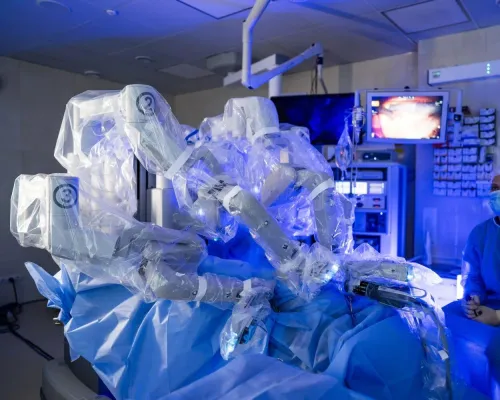
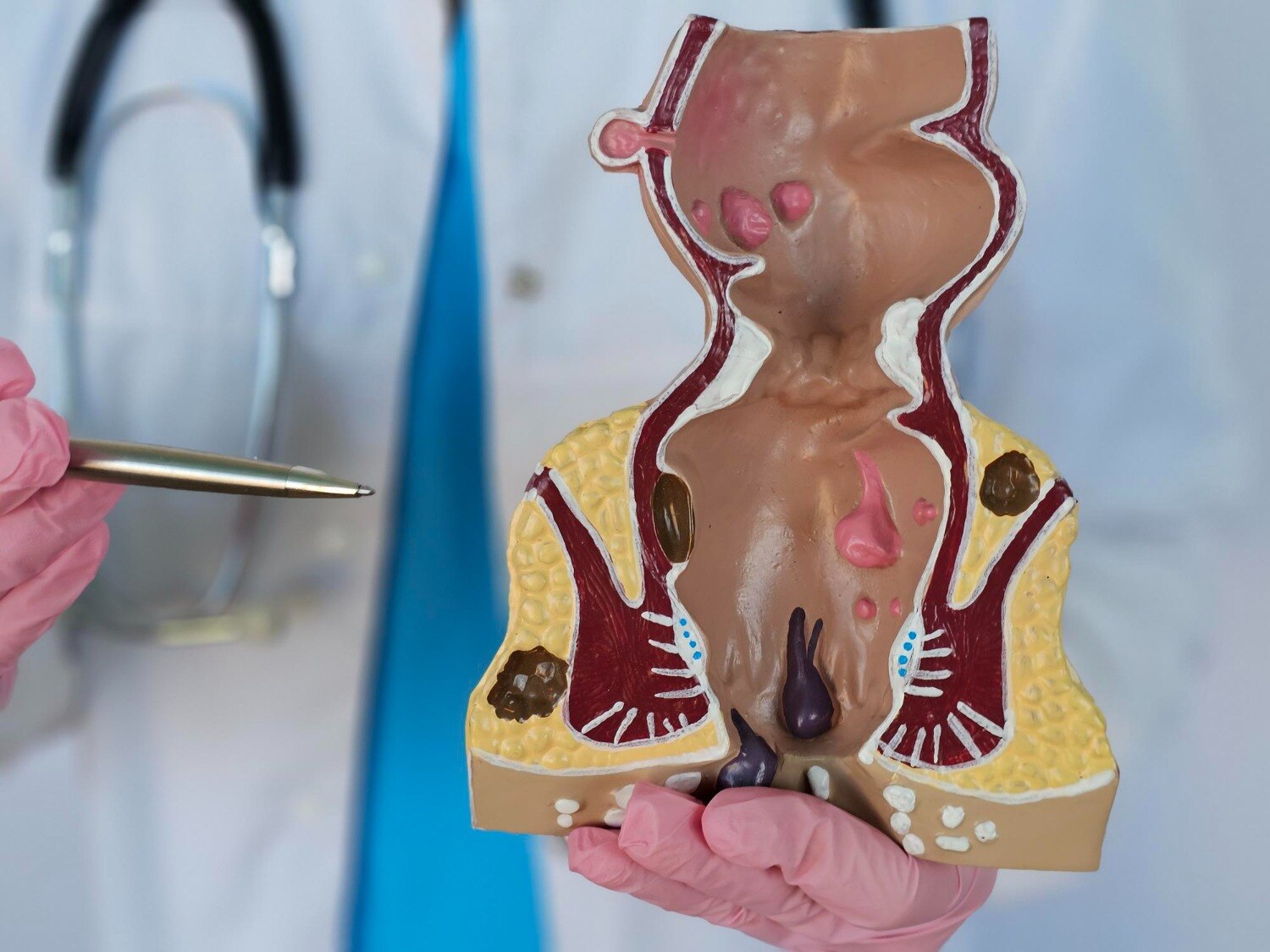
Bleeding, pain, prolapse, itching, mucus, cleaning difficulty, or bowel changes that keep returning deserve more than repeated self-treatment. By the end, you will know when to monitor symptoms, when to arrange an assessment, which warning signs need prompt care, and what treatment and recovery decisions to discuss with a piles hospital.
Key takeaways
- Book an appointment for recurrent bleeding, persistent pain, or a lump that stays outside.
- Seek prompt care for heavy bleeding, fainting, fever, pus, or rapidly worsening pain.
- A clinician may use an examination and anoscopy to confirm piles and exclude other causes.
- Try fibre, fluids, bowel habit changes, and prescribed medicines before considering surgery.
Which piles symptoms need an appointment, and which need prompt care?
Recurring symptoms warrant a medical appointment; severe bleeding, infection signs, or collapse need prompt care. Book a piles hospital appointment for recurrent rectal bleeding, pain lasting beyond a short flare, a lump that remains outside the anus, ongoing itching, mucus discharge, difficulty cleaning, or a change in bowel habits.
Repeated bleeding should not automatically be blamed on piles.
Uncomplicated mild symptoms can be monitored briefly when they are clearly improving. During that period, increase fibre toward 20–30 grams daily as tolerated, drink enough fluids, avoid straining, limit toilet sitting, and keep moving. Arrange assessment if symptoms stop improving or return.
| Situation | What to do | Why it matters |
|---|---|---|
| Mild symptoms clearly improving | Monitor briefly while changing fibre, fluids, bowel habits, and movement | Improvement supports short-term home care |
| Persistent or recurring symptoms | Arrange a routine appointment | Another cause, such as a fissure, polyp, inflammatory bowel disease, or cancer, can resemble piles |
| Heavy or continuous bleeding, dizziness, fainting, black or maroon stools, anaemia symptoms, fever with severe anal pain, pus, urinary difficulty, or a rapidly enlarging tender lump | Seek prompt care; heavy bleeding with piles is an emergency | These signs can indicate major blood loss, infection, or thrombosis |
A suddenly painful, firm lump may be a thrombosed external haemorrhoid. Early severe cases, particularly within about 72 hours, can need faster treatment.
How can a clinician tell piles from other causes of anal or rectal symptoms?
Persistent bleeding needs a proper piles diagnosis, not an assumption. The clinician asks about bleeding colour and frequency, pain during bowel movements, prolapse, mucus, bowel-habit changes, weight loss, medicines, and family history. Black or maroon stool, increasing bleeding, or symptoms of anaemia require prompt assessment.
1. The clinician inspects the anal margin for a fissure, external haemorrhoid, fistula opening, swelling, skin changes, or prolapse. A digital rectal examination checks tenderness, a mass, blood, and the rectal wall.
2. Anoscopy allows direct viewing of the anal canal and internal haemorrhoids. These findings help distinguish haemorrhoids from anal fissure, fistula, perianal abscess, rectal prolapse, inflammatory bowel disease, polyps, and colorectal or anal cancer.
3. A normal or limited anorectal examination does not rule out a higher source of bleeding. Colonoscopy for rectal bleeding, or another investigation, may be needed based on your age, screening status, persistent bleeding, bowel changes, anaemia, personal history, family history, or inflammatory bowel disease.
Tell the clinician if you are pregnant, take blood thinners, have immune suppression or anaemia, or have significant heart or kidney disease. These details change assessment, preparation, anaesthesia, and procedure planning; do not stop prescribed anticoagulants without medical instructions.
What treatment comes before surgery, and when has home care failed?
Start with bowel control, not surgery. Aim for roughly 20–30 grams of fibre daily, increasing to tolerance, drink adequate fluids, use stool-softening treatment when advised, avoid straining, move regularly, and spend less time sitting on the toilet. Discomfort alone does not determine the procedure.
Internal and external haemorrhoids need different treatment. Internal haemorrhoids are graded as follows:
- Grade I bleeds without prolapse; grade II prolapses during straining but returns by itself; grade III needs manual replacement; grade IV remains prolapsed.
- Prescription medicines may control inflammation, pain, constipation, or bleeding, but persistent bleeding or prolapse after an adequate conservative trial needs reassessment. Do not keep using topical creams indefinitely: steroid creams can thin or irritate skin, while anaesthetics can mask symptoms without correcting the cause.
- Rubber-band ligation treats many grade I, grade II, and selected grade III internal haemorrhoids. Sclerotherapy, infrared coagulation, and haemorrhoidal artery procedures are other office options.
- Excisional haemorrhoidectomy suits substantial grade III or grade IV prolapse, external or mixed disease, or recurrence. Office procedures usually disrupt work less but can need repeat treatment; haemorrhoidectomy recovery is more painful and slower.
- Stapled haemorrhoidopexy does not remove external disease and can recur. Doppler-guided artery ligation may have higher prolapse recurrence in advanced disease.
How should you compare a piles hospital or colorectal service?
Choose a piles hospital by testing its diagnostic access, treatment range, safety planning, and follow-up—not by its technology claims. A useful colorectal service comparison starts with these questions:
- Will a clinician perform an examination and anoscopy?
- Can the service arrange colonoscopy or other testing when bleeding, anaemia, bowel changes, age, or family history warrants it?
- Will the clinician discuss fibre and medicines, office procedures, and surgery rather than recommending one route automatically?
- How are aspirin and anticoagulants handled? Never stop prescribed blood thinners without instructions from the clinician who prescribed them.
| Option | What to compare | Why it matters |
|---|---|---|
| Office treatment | Local anaesthetic, same-day discharge, repeat visits | Less disruption, but repeat treatment may be needed |
| Excisional surgery | Anaesthesia and piles surgery, pain control, wound care, recovery time | More definitive for advanced prolapse, but usually more painful |
| Doppler-guided artery ligation | Early pain, prolapse recurrence, follow-up | Less early pain can come with higher recurrence in advanced disease |
Before booking, ask for written details on expected discharge, sitting and work restrictions, bowel movements, wound care, recurrence management, and review timing. Confirm consultation fees, diagnostic charges, procedure choices, anaesthesia costs, hospital stay, recovery time, and review charges; these are not established by a general service description.
Sai Vedant Multi-Speciality Hospital may suit someone seeking coordinated surgical assessment, but choosing should depend on those concrete answers and the resulting piles treatment costs.
Related service
Anorectal Surgeries Anorectal Surgery at Sai Vedant Multispeciality Hospital, Pune** Sai Vedant Multispeciality Hospital offers advanced diagnosis and treatment for... View service → |
What should you bring, and what will recovery cost in time and effort?
For an efficient what to bring to piles consultation, prepare a dated symptom record and complete medicine list rather than relying on memory. Note:
- Bleeding dates, amount, and colour
- Stool frequency and consistency
- Pain triggers, prolapse, mucus, and difficulty cleaning
- Any bowel-habit change
- Every medicine, including aspirin and anticoagulants
- Previous creams, tablets, injections, or procedures
- Drug allergies
- Family history of colorectal cancer or inflammatory bowel disease
Recovery depends on the treatment. Office procedures can still cause short-term discomfort and require piles follow-up or repeat treatment. Excisional surgery usually takes longer and can affect sitting, bowel movements, diet, wound care, pain, and work after haemorrhoid treatment.
Plan for prescribed pain relief, fibre, adequate fluids, and stool-softening treatment when advised. Ask how long you should avoid heavy activity and when healing will be checked. Arrange a companion if sedation or anaesthesia is planned; include travel, investigations, time away from work, repeated ineffective home remedies, and postoperative reviews in the effort and cost.
Mild symptoms that are clearly improving may not need an anorectal surgical service. Uncertain symptoms need diagnosis first. Heavy bleeding, fainting, black or maroon stool, fever, pus, urinary difficulty, or severe increasing pain requires prompt care, not an elective appointment.
Frequently asked questions
Which piles symptoms need an appointment, and which need prompt care?
Arrange an appointment for recurrent rectal bleeding, persistent pain, a lump that remains outside, itching, mucus, cleaning difficulty, or changed bowel habits. Seek prompt care for heavy bleeding, fainting, fever, pus, or rapidly worsening pain.
How can a clinician tell piles from other causes of anal or rectal symptoms?
The clinician reviews your symptoms and bowel history, examines the anus and rectum, and may perform an anoscopy. Testing helps distinguish piles from fissures, infection, polyps, inflammatory bowel disease, or cancer.
What treatment comes before surgery for piles?
Treatment can include more dietary fibre, adequate fluids, avoiding straining, shorter toilet visits, medicines for pain or itching, and procedures such as rubber-band ligation when appropriate.
When has home care failed for piles?
Arrange a clinical review when symptoms recur, continue despite sensible bowel-habit changes, bleeding persists, pain lasts beyond a short flare, or a prolapsing lump remains outside the anus.
How should you compare a piles hospital or colorectal service?
Check whether the service offers colorectal assessment, anoscopy, non-surgical procedures, surgery when needed, anaesthesia support, emergency escalation, clear follow-up, and written recovery instructions.