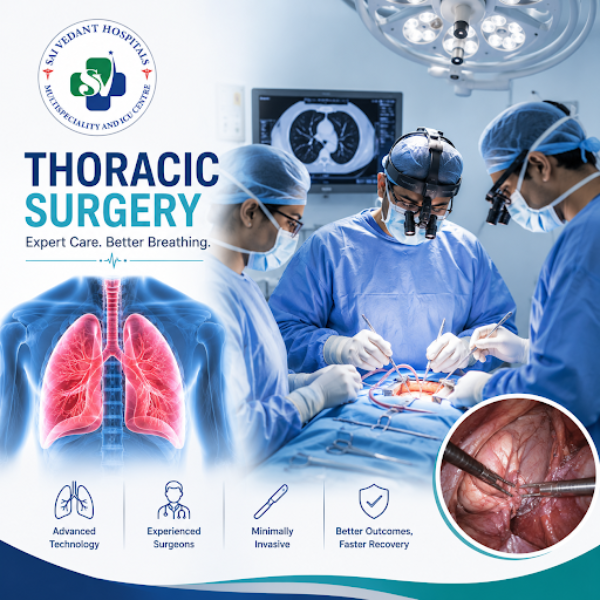
Surgery involving the chest can require careful planning because the lungs, airways, oesophagus, major blood vessels, and other important structures are located within a relatively confined anatomical region. Thoracic Surgery may be considered for selected lung, chest, mediastinal, pleural, and related conditions after detailed clinical assessment.
For patients in Pune, understanding what hospital readiness looks like can help when preparing for a thoracic procedure.
Start With a Clear Clinical Diagnosis
Thoracic symptoms such as persistent cough, chest discomfort, breathlessness, or abnormal imaging findings can have many causes. Surgery is only one potential treatment pathway.
Assessment may involve chest imaging, laboratory investigations, pulmonary evaluation, biopsy, endoscopic procedures, and other tests depending on the suspected condition.
When cancer is involved, staging and pathology can influence whether surgery is appropriate and whether other treatment is needed before or after the operation.
Lung Function Can Influence Planning
Because some thoracic procedures involve lung tissue, respiratory assessment can be especially important.
Doctors may evaluate existing breathing problems, smoking history, lung function, oxygen levels, previous respiratory disease, and general fitness for anaesthesia.
Patients may also receive guidance about breathing exercises, mobility, and other preparation based on their condition.
Understand the Surgical Approach
Thoracic procedures can be performed using different techniques depending on the disease, anatomy, and complexity of the operation.
Minimally invasive approaches may be suitable for selected cases, while open surgery may be necessary when wider access is required.
Rather than assuming one technique is always preferable, patients should ask why the proposed approach is appropriate and whether the plan could change based on operative findings.
Postoperative Monitoring Is a Major Consideration
Recovery after chest surgery may involve respiratory monitoring, pain control, chest drains in some procedures, early movement, breathing exercises, and careful observation for complications.
Patients should understand:
- Expected duration of hospitalization
- Whether a chest drain may be required
- How pain will be managed
- When walking generally begins
- What respiratory exercises may be advised
- What symptoms after discharge need urgent assessment
- When follow-up imaging may be required
Sai Vedant Multi-Speciality Hospital in Pune provides multispeciality surgical care relevant to patients who may require thoracic procedures and associated medical support.
Assess the Whole Hospital Pathway
A patient's surgical team is central to treatment, but hospital-based thoracic care can also depend on anaesthesia, critical care, imaging, laboratory services, pathology, nursing, and medical specialists.
This becomes especially relevant for patients with existing lung disease, cardiovascular conditions, diabetes, advanced age, or other factors that may influence recovery.
For patients considering Thoracic Surgery in Pune or travelling from elsewhere in Maharashtra, readiness should be assessed across the entire pathway. Clear diagnosis, appropriate surgical selection, respiratory assessment, perioperative support, postoperative monitoring, and planned follow-up are meaningful indicators of a well-prepared thoracic surgical service.
Keywords