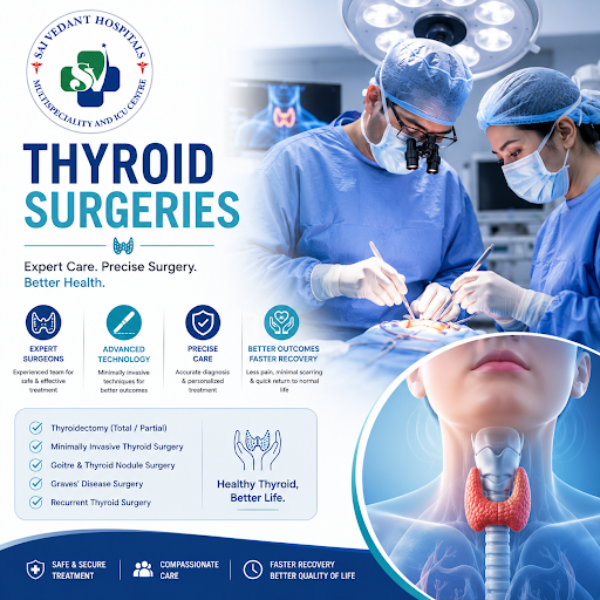
Thyroid nodules and thyroid enlargement are relatively common, but only some patients require surgery. When an operation is recommended, choosing a Thyroid Surgery hospital involves understanding why surgery is needed, what procedure is planned, and how the team will evaluate factors such as thyroid function, pathology findings, airway considerations, and postoperative monitoring.
Patients in Pune can use these factors to make a more informed provider decision.
Confirm Why Surgery Has Been Recommended
A thyroid operation may be considered for different reasons. These can include suspicious or confirmed cancer, a significantly enlarged thyroid causing pressure symptoms, selected nodules, or other conditions where surgery is clinically appropriate.
The decision should be based on the patient's investigations and diagnosis rather than the presence of a thyroid nodule alone.
Depending on the case, assessment may include thyroid function tests, ultrasound, needle sampling, imaging, and examination of the neck.
Understand the Planned Extent of Surgery
Not every thyroid operation involves removing the entire gland.
The surgical plan depends on the diagnosis, location and characteristics of the abnormality, involvement of one or both sides of the gland, and other clinical findings.
Patients should ask whether partial or complete removal is being considered and why that extent of surgery is appropriate for their case.
Ask About Key Safety Considerations
The thyroid lies close to important structures in the neck. Surgical planning therefore requires careful attention to anatomy and the patient's individual condition.
During consultation, patients can discuss potential complications, postoperative monitoring, pain management, calcium-related considerations where relevant, voice changes, wound care, and the possibility of requiring thyroid hormone medication afterward.
The purpose of this discussion is not to create anxiety. It helps patients understand what the clinical team monitors before and after surgery.
Look for Broader Hospital Readiness
A thyroid procedure may involve surgeons, anaesthesia specialists, pathology services, physicians, imaging support, nursing teams, and other services depending on the patient's health.
For people with diabetes, hypertension, respiratory conditions, or other medical concerns, coordinated perioperative management can be particularly relevant.
Sai Vedant Multi-Speciality Hospital in Pune provides multispeciality surgical and medical care, allowing thyroid surgery evaluation to be considered alongside broader health requirements.
Prepare for the Postoperative Phase
Before discharge, patients should understand wound care, permitted activity, medication instructions, dietary guidance when relevant, follow-up timing, and symptoms that require medical review.
The final pathology report can also influence subsequent management when surgery was performed for a suspicious or confirmed malignancy.
Use Clinical Questions to Compare Providers
When evaluating a Thyroid Surgery hospital, ask whether the diagnosis and surgical indication are clearly explained, whether the proposed extent of surgery is justified, what preoperative assessments are required, how postoperative monitoring is handled, and what follow-up is planned.
For families in Pune and surrounding areas of Maharashtra, these questions provide a practical way to assess readiness for thyroid surgery. A well-planned experience begins with understanding the reason for the operation and continues through safe preparation, surgery, monitoring, pathology review, and follow-up.
Keywords