
Critical illness can develop unexpectedly after a serious infection, major operation, respiratory problem, organ dysfunction, trauma, or another severe medical condition. Families looking for a Critical Care Hospital often need to make decisions when a patient requires closer observation and more intensive medical support than a standard ward can provide.
For people in Pune, understanding what critical care actually involves can make hospital selection more practical and clinically focused.
Critical Care Is More Than Continuous Observation
An intensive care environment is designed for patients whose condition requires frequent assessment and specialized monitoring.
Depending on the clinical situation, critical care may involve monitoring of heart rate, blood pressure, oxygen levels, breathing, urine output, neurological status, laboratory parameters, and organ function.
Some patients may require respiratory support, intravenous medications, nutritional support, infection management, or other interventions according to their condition.
The exact level of support differs from patient to patient.
Look for Multidisciplinary Medical Access
Critically ill patients can have problems affecting several body systems simultaneously. A patient admitted after major surgery, for example, may require surgical review alongside respiratory, cardiovascular, kidney, metabolic, or infection-related management.
This makes access to multiple specialties valuable.
A critical care setting may need coordination among intensivists, surgeons, physicians, anaesthesia teams, nursing staff, diagnostic services, and other specialists depending on the patient's needs.
Ask How High Risk Surgery Is Supported
Critical care capability can also be relevant before an operation begins.
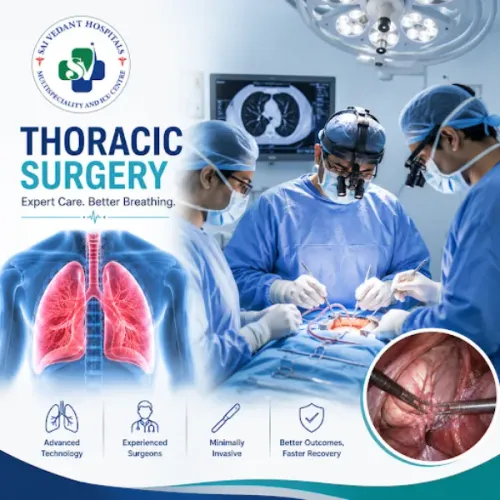
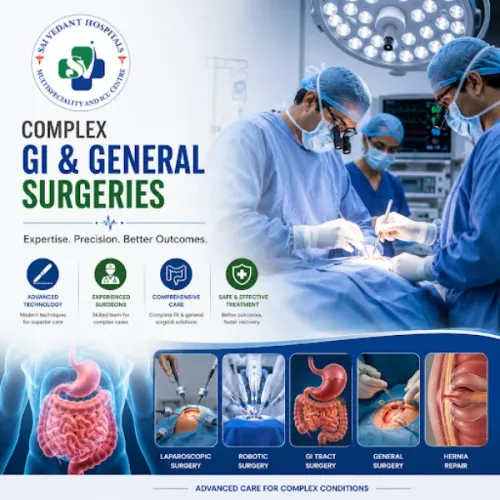
Patients undergoing major cancer, gastrointestinal, thoracic, or other complex surgery may have clinical factors that increase postoperative risk. Not every such patient requires intensive care, but the treating team may identify circumstances where closer postoperative monitoring is appropriate.
Families can ask what level of monitoring is expected after surgery and what factors would lead to ICU admission.
Diagnostic Access Can Affect Clinical Decisions
When a critically ill patient's condition changes, timely investigations can become important. Laboratory testing, imaging, cardiac evaluation, and other diagnostic services may help the treating team assess new developments and modify treatment.
The ability to coordinate these services within the hospital can therefore be relevant when comparing facilities.
Sai Vedant Multi-Speciality Hospital in Pune provides medical, surgical, and critical care services within a multispeciality setting. This integrated environment can be particularly relevant when a patient's primary illness requires input from more than one clinical department.
Questions Families Can Ask
When circumstances allow, families evaluating critical care services can ask:
- What level of monitoring does the patient currently need?
- Which specialists are involved in the treatment?
- How are significant changes in condition communicated?
- What investigations are being used to guide treatment?
- What are the immediate treatment priorities?
- How is pain and comfort managed?
- What factors would indicate improvement?
- What is the expected next stage if the patient stabilizes?
These questions can make complex medical discussions easier to follow.
Focus on Readiness and Coordination
Choosing a Critical Care Hospital should be based on its ability to provide appropriate monitoring, medical support, multidisciplinary coordination, diagnostics, and escalation of treatment according to the patient's condition.
For families in Pune and other parts of Maharashtra, critical care decisions are often made during stressful circumstances. Understanding the purpose of intensive monitoring and the role of coordinated specialist care can help families participate more effectively in discussions about the patient's treatment, progress, and transition to the next stage of recovery.
Keywords