
Pain, enlargement, or difficulty pushing a hernia back can change a previously manageable problem into one that deserves surgical review. By the end, you will be able to distinguish a planned consultation from an emergency, recognise warning signs, and understand what surgeons evaluate before recommending repair.
Key takeaways
- Arrange a surgical review for persistent pain, growth, or interference with daily activities.
- A hernia that cannot be pushed back needs prompt medical assessment.
- Sudden severe pain, vomiting, or skin discoloration requires emergency care.
- Bring symptom details, medication lists, and prior scan or surgery records.
When pain, growth, or daily limitations make repair reasonable
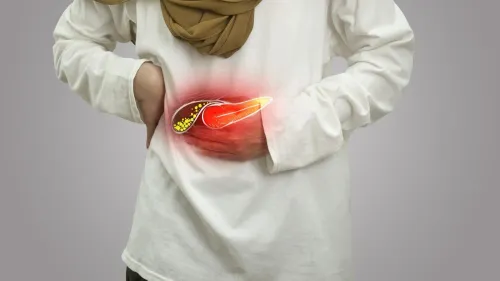
A painful hernia deserves an elective surgical consultation when discomfort is persistent, worsening, or clearly linked to the bulge. A growing hernia also merits review, especially when it becomes harder to push back, returns quickly after reduction, or interferes with walking, lifting, work, exercise, sleep, or sex. Size alone does not prove strangulation.
The case for discussing elective hernia repair is stronger when you have:
- Pain that limits movement, exercise, work, or sleep
- A bulge that is steadily enlarging
- Hernia symptoms affecting daily activities
- Repeated episodes in which the bulge returns after being reduced
- Increasing difficulty reducing the hernia while lying down
If the hernia remains reducible, the pain is stable, and you have no vomiting, abdominal bloating, fever, or inability to pass stool or gas, surgery is usually planned rather than treated as an emergency. A clinician must still confirm that the hernia causes the pain; hip, nerve, urinary, and abdominal problems can feel similar.
For an adult man with a small, minimally symptomatic inguinal hernia, watchful waiting can be reasonable with follow-up. Consultation allows discussion of recurrence, persistent pain after repair, and health measures such as stopping smoking or controlling diabetes before surgery.
How to tell a reducible, incarcerated, and strangulated hernia apart
A reducible hernia slips back into the abdomen when you lie down or apply gentle pressure. A bulge that appears with standing, coughing, or straining, then settles without persistent pain, usually calls for routine surgical review—especially if it is growing or limiting activity.
| Type or change | What you may notice | What to do |
|---|---|---|
| Reducible hernia | Bulge reduces when lying down; pain is absent or stable; no vomiting or abdominal swelling | Arrange routine review. A growing or painful hernia still deserves an elective surgical consultation. |
| Incarcerated hernia | Bulge stays out and cannot be pushed back; it feels firm or tender; pain persists | Seek urgent medical assessment. Vomiting, bloating, or inability to pass stool or gas suggests obstruction and raises the urgency. |
| Strangulated hernia | Constant or severe pain, marked tenderness, a firm fixed lump, fever, vomiting, or red, purple, or dark skin over the bulge | Treat this as a hernia emergency. Go to an emergency department immediately; loss of blood supply often requires emergency surgery. |
Do not force an irreducible lump back into place. A truss or hernia belt may support a reducible hernia when surgery is not possible, but it does not close the defect and must not delay assessment of a painful or changing bulge.
Size alone does not prove strangulation. A rapidly enlarging, hard, discoloured, or increasingly painful hernia needs prompt assessment even without every warning sign.
How clinicians confirm the hernia and assess its location
Doctors confirm a hernia through a hernia examination, not from the lump’s appearance alone. The clinician examines you standing and lying down, asks you to cough or strain, and checks whether gentle pressure reduces the bulge.
A lump that appears with pressure and recedes when you lie down supports a reducible hernia; a firm, tender, or non-reducible lump needs prompt assessment.
Imaging is added when the examination does not give a clear answer, the lump is small or hidden, or another condition could explain the pain.
- A hernia ultrasound can show a defect and movement of tissue during standing, coughing, or straining. It is useful when the suspected hernia is in the groin but cannot be felt confidently.
- A CT scan for hernia assessment shows the abdominal wall, bowel, the defect’s size, and complications. It helps with recurrent, complicated, or less obvious hernias and can identify another cause of symptoms.
Location changes the plan. A groin hernia may be inguinal or femoral, and a femoral hernia in women deserves timely specialist assessment because it has a higher risk of becoming trapped.
Pain may instead arise from a nearby muscle, nerve, urinary problem, or abdominal condition, so clinicians match the examination and scans to your symptoms rather than assuming every groin lump is the pain source.
What the operation repairs and how surgeons choose an approach
Repair closes the abdominal-wall defect and returns protruding tissue to the abdomen. The surgeon separates the hernia sac, places the contents back where they belong, and strengthens the weakened area. A hernia mesh may cover the defect to reduce recurrence; a selected tissue repair uses stitches instead.
The approach depends on the hernia’s location, size, previous operations, whether one or both sides are affected, your medical fitness, and the surgeon’s experience. It is not chosen simply because robotic equipment is available.
| Approach | What happens | When it may fit |
|---|---|---|
| Open hernia repair | One incision reaches the defect directly; repair may use mesh or stitches | A suitable choice for many patients, including some who should avoid general anesthesia |
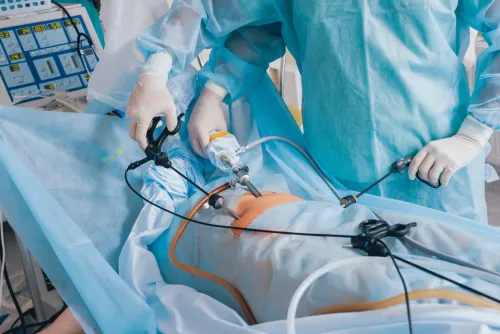
| Laparoscopic hernia repair | Small incisions allow instruments to repair the defect from behind the abdominal wall; general anesthesia is required | Particularly useful for bilateral hernias or recurrence after an anterior repair |
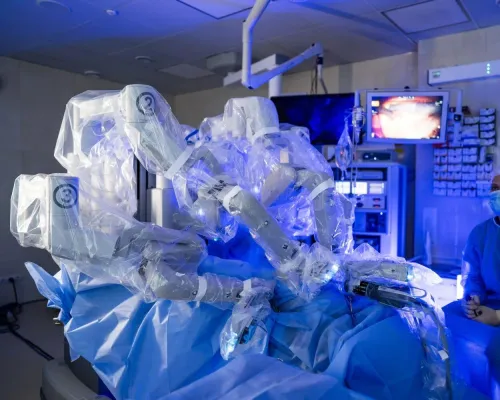
| Robotic assistance | A surgeon controls wristed instruments through small incisions; the repair remains minimally invasive and often mesh-based | Useful when the surgeon has appropriate expertise; it is not automatically better than open or laparoscopic repair |
For most adult groin hernias, mesh repair lowers recurrence compared with non-mesh repair, but mesh can cause infection, fluid collection, chronic pain, or another recurrence. Discuss those trade-offs rather than treating mesh as compulsory.
A reducible, stable painful hernia usually allows elective planning. That time lets the team address smoking, diabetes, weight, chronic cough, or constipation before surgery. An irreducible bulge, severe constant pain, vomiting, bloating, or discoloured skin needs urgent assessment, not approach-shopping.
How to prepare for the consultation and decide when to proceed
A hernia surgery consultation should establish whether the hernia causes your pain, rather than assuming every ache comes from it. Ask about watchful waiting versus repair, open or minimally invasive approaches, mesh, recurrence, recovery restrictions, and the recognised risk of persistent pain, especially after a painful or repeat repair.
Mention hip, nerve, urinary, abdominal, or other conditions that could explain symptoms.
- Bring a list of medicines, allergies, previous operations, and medical conditions. Ask whether ultrasound or other imaging is needed and what symptoms should trigger urgent review.
- Stop smoking with a clear plan for smoking cessation before surgery. Ask how your weight, lung health, chronic cough, constipation, blood pressure, and diabetes control affect wound healing, breathing complications, and recurrence.
- Ask when to stop eating, drinking, or taking blood-thinning medicines, who will provide pain control, and how soon you can walk, drive, lift, and return to work.
- Use a hernia belt or truss only as temporary support for a reducible hernia when surgery is not currently possible. It does not close the defect, and it must not postpone assessment of a painful, irreducible, or changing bulge.
Sai Vedant Multi-Speciality Hospital can help coordinate general and gastrointestinal surgical assessment when the diagnosis, competing pain source, or operative approach needs specialist review.
Do not delay urgent care to improve surgical fitness: a trapped bulge, sudden constant severe pain, vomiting, bloating, inability to pass stool or gas, fever, skin discoloration, or marked tenderness needs emergency assessment.
Related services
General Surgeries General Surgery at Sai Vedant Multispeciality Hospital, Pune At Sai Vedant Multispeciality Hospital, Pune, our General Surgery department provides... View service → |
Robotic Surgeries Robotic Surgery at Sai Vedant Multispeciality Hospital, Pune Sai Vedant Multispeciality Hospital offers advanced robotic surgery solutions designed... View service → |
Frequently asked questions
When does pain or growth make hernia repair reasonable?
Arrange an elective surgical consultation when pain persists, worsens, or clearly relates to the bulge. Review a growing hernia when it becomes harder to reduce, returns quickly, or limits walking, lifting, work, exercise, sleep, or sex.
How can you tell a reducible, incarcerated, and strangulated hernia apart?
A reducible hernia flattens when you lie down or apply gentle pressure. An incarcerated hernia remains stuck outside the abdominal wall and needs prompt assessment. Severe or escalating pain, tenderness, vomiting, fever, bloating, or red, purple, or dark skin over the bulge can indicate strangulation and requires emergency care.
How do clinicians confirm a hernia and assess its location?
A clinician examines the bulge while you stand, cough, strain, and lie down. Ultrasound can assess many groin and abdominal-wall hernias; CT or MRI helps when the diagnosis, location, contents, or complications remain unclear.
What does hernia surgery repair, and how is the approach chosen?
Surgery returns displaced tissue to the abdominal cavity and closes or reinforces the weakness in the abdominal wall, often with mesh. The surgeon considers the hernia’s location and size, symptoms, previous operations, health conditions, and whether the repair is open or minimally invasive.
What should you take to a hernia consultation?
Bring a timeline of pain and bulge changes, what worsens or relieves symptoms, your medication and allergy list, previous operation details, and copies of relevant imaging reports. Ask about watchful waiting, repair timing, surgical technique, mesh, recovery limits, and warning signs.