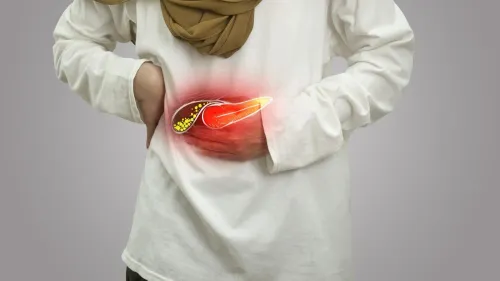
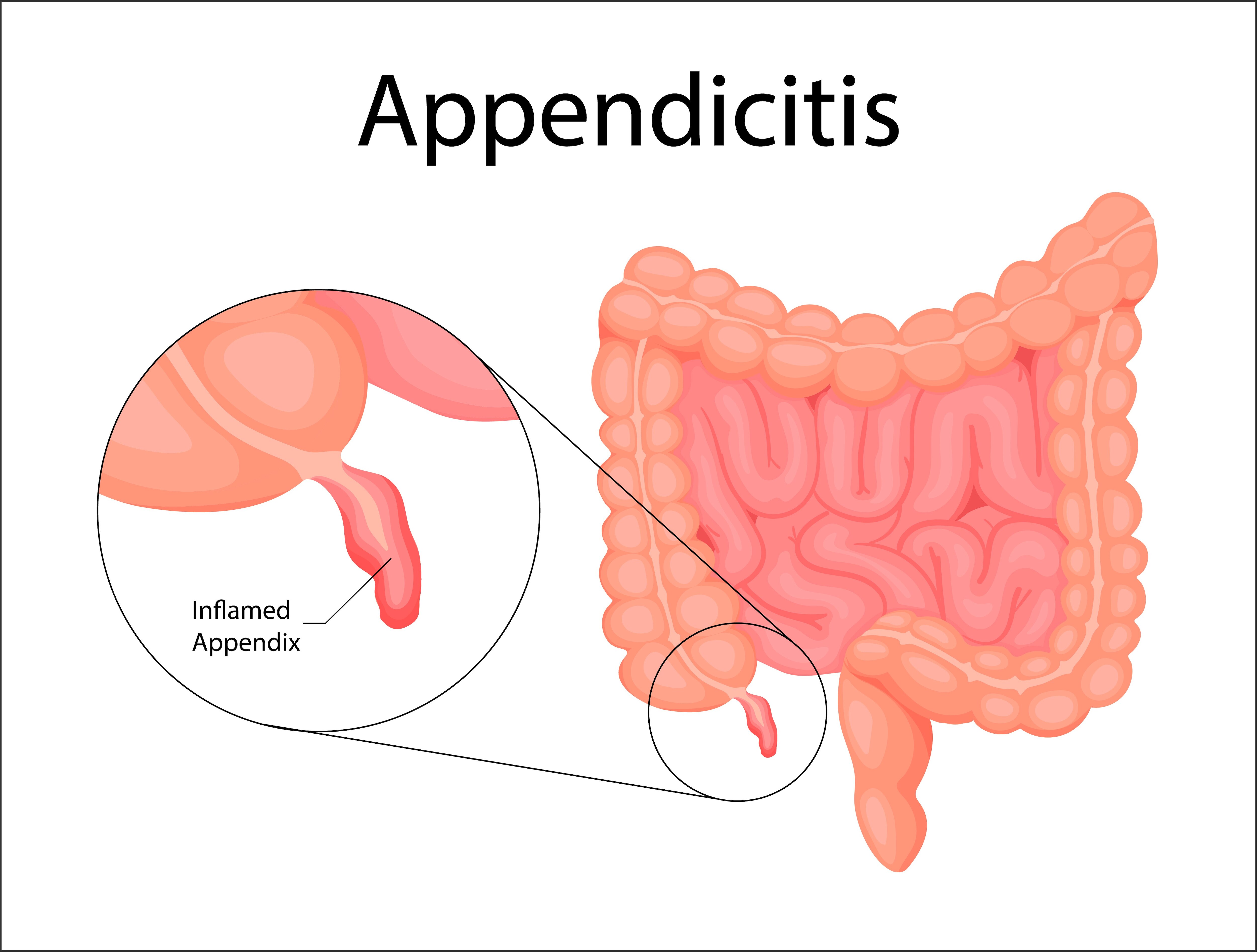
Pain that shifts from around the navel to the lower right abdomen deserves medical assessment, especially when movement, coughing, fever, vomiting, or worsening tenderness follows. By the end, you will know which symptoms demand emergency care, how clinicians confirm appendicitis, and why some patients need prompt appendix surgery while others may discuss antibiotics or drainage.
Key takeaways
- Seek urgent care for worsening right lower abdominal pain with fever or vomiting.
- Doctors combine an examination, blood tests, urine tests, and imaging to confirm appendicitis.
- A ruptured appendix requires urgent treatment with antibiotics and surgery.
- Laparoscopic surgery uses small incisions; open surgery uses one larger incision.
Which abdominal pain patterns make appendicitis an emergency?
Appendicitis symptoms often begin with vague pain near the navel. The classic progression is pain near belly button moves to lower right abdomen, where it becomes sharper and steadily worse. Walking, turning, movement, or coughing can intensify right lower quadrant pain. Nausea, vomiting, fever, appetite loss, diarrhoea, or constipation may follow.
| Pattern | What may be happening | What to do |
|---|---|---|
| Typical migration | Pain shifts from around the navel to the lower right abdomen and worsens with movement | Seek urgent medical assessment |
| Severe progression | Pain escalates, the abdomen becomes guarded or rigid, or pain spreads across the abdomen | Go to an emergency department |
| Brief improvement | Pressure inside the appendix falls after perforation, but infection spreads into an abscess or the abdominal lining | Treat the improvement as an emergency, not recovery |
Do not watch at home if you have:
- Severe or escalating right lower quadrant pain
- Guarding or a rigid abdomen; a rigid abdomen is a particularly serious appendicitis symptom
- Fainting, confusion, high fever, or persistent vomiting
- Inability to keep fluids down
- Pain that briefly improves and then returns much worse
Perforation can release infected material into the abdomen, causing peritonitis and possible sepsis. Even if pain temporarily eases, worsening infection can continue without obvious relief. Arrange urgent assessment rather than taking laxatives, eating a heavy meal, or waiting for the pain to settle.
How do doctors confirm appendicitis instead of another cause of pain?
Pain alone cannot establish an appendicitis diagnosis: kidney stones, urinary infection, gastroenteritis, gallstones, bowel obstruction, ovarian cysts, ectopic pregnancy, and pelvic inflammatory disease can cause similar pain.
Clinicians combine the pain’s timing and location with abdominal tenderness, guarding, rebound tenderness, temperature and pulse, then use white blood cell count and CRP, urine testing, and imaging when needed.
Pregnancy testing matters whenever pregnancy is possible because ectopic pregnancy can be life-threatening and pregnancy changes both the differential diagnosis and imaging pathway. Ultrasound is usually considered first because it avoids radiation; an inconclusive scan does not exclude appendicitis, especially when body habitus limits the view or an experienced operator is unavailable.
| Test | Strength | Limitation or use |
|---|---|---|
| Ultrasound for appendicitis | Avoids ionising radiation | Depends on body habitus and operator availability |
| Contrast CT appendicitis | Usually the clearest rapid adult assessment | Uses ionising radiation; clinicians assess contrast risks |
| MRI | Avoids ionising radiation and is useful in pregnancy | Access and speed vary |
Contrast CT or MRI can show an inflamed appendix and complications such as perforation or abscess when ultrasound is nondiagnostic. Clinicians interpret every result alongside the examination; a normal blood test or scan does not automatically outweigh worsening tenderness or deterioration.
When does appendicitis require immediate surgery, and when are other treatments considered?
Perforation, diffuse peritonitis, sepsis, clinical deterioration, or uncontrolled contamination generally require urgent source control. The usual approach is appendectomy with antibiotics; waiting for antibiotics alone to work can allow infection to spread.
Stable, uncomplicated appendicitis has no perforation, abscess, or diffuse peritonitis. Selected adults can discuss antibiotics for uncomplicated appendicitis instead of immediate surgery, or a monitored in-hospital delay of up to about 24 hours.
This is an alternative, not a promise to avoid surgery: CODA found appendectomy in 29% within 90 days, about 40% by one year, and 49% by three to four years. APPAC found that 39.1% underwent surgery within five years.
An appendicolith, a hardened deposit blocking the appendix, makes antibiotic-only treatment less reliable because obstruction remains and recurrence or treatment failure is more likely. Appendectomy indications become stronger when an appendicolith accompanies worsening symptoms or failed medical treatment.
For an appendiceal abscess or inflammatory mass, doctors may use antibiotics, observation, and appendiceal abscess drainage with imaging guidance when feasible. Immediate surgery can injure bowel stuck to the inflamed area, so routine interval appendectomy is not required for every young adult after successful nonoperative treatment.
- If you are 40 or older and treated without surgery, arrange interval contrast-enhanced CT and colonic evaluation, commonly colonoscopy, to check for an underlying appendiceal or colonic tumour.
- Ask whether imaging shows perforation, diffuse peritonitis, an abscess, or an appendicolith.
- Ask whether antibiotics-first treatment is suitable and what would trigger surgery.
What is the difference between laparoscopic and open appendix surgery?
Once appendectomy is chosen, the surgeon removes the appendix under general anaesthesia. A laparoscopic appendectomy uses several small abdominal incisions for a camera and instruments; an open appendectomy uses a larger right-lower-abdominal incision, or another incision selected to reach widespread infection safely.
| Option | What happens | Usual trade-off |
|---|---|---|
| Laparoscopic appendectomy | The surgeon views the abdomen on a monitor and removes the appendix through small ports. | Smaller wounds, less wound infection, less postoperative pain, and a shorter hospital stay |
| Open appendectomy | The surgeon reaches the appendix through a larger incision chosen for its position and the extent of infection. | A larger wound can mean more pain, slower appendectomy recovery, and a longer hospital stay |
Laparoscopy is not risk-free. Bleeding, an intra-abdominal abscess, bowel or organ injury, and conversion to open surgery can occur. Extensive infection, perforation, difficult anatomy, or the need for thorough washout and drainage can make open surgery safer, either from the start or after laparoscopy begins.
Appendectomy during pregnancy should not be delayed when treatment is necessary. Ultrasound or MRI is preferred when feasible, while the anaesthesia and surgical technique are adapted to the pregnancy. Uncomplicated cases usually do not need routine postoperative antibiotics. Perforation, an abscess, or peritonitis requires antibiotics after the surgeon has controlled the infection.
At Sai Vedant Multi-Speciality Hospital, ask the surgical team which approach fits the scan findings, contamination, pregnancy status, and expected recovery.
Related services
Anorectal Surgeries Anorectal Surgery at Sai Vedant Multispeciality Hospital, Pune** Sai Vedant Multispeciality Hospital offers advanced diagnosis and treatment for... View service → |
Complex GI & General Surgeries Complex GI & General Surgeries Complex GI & General Surgery at Sai Vedant Multispeciality Hospital, Pune Sai Vedant Multispeciality Hospital provides advanced gastrointestinal (GI)... View service → |
What should you do while deciding whether appendix surgery is needed?
Seek urgent assessment rather than deciding at home: do not take laxatives, eat a heavy meal, or wait for pain to settle. Worsening pain, fever, faintness, confusion, repeated vomiting, inability to keep fluids down, or a rigid abdomen changes the appendicitis surgery decision to urgent treatment.
| Situation | What to ask the clinical team | Usual implication |
|---|---|---|
| Stable, uncomplicated appendicitis | Does imaging show perforation, an abscess, diffuse peritonitis, or an appendicolith? | A focused discussion may allow appendectomy or antibiotics-first treatment; selected patients may have up to about 24 hours for monitored decision-making. |
| Complicated or worsening disease | Is urgent source control needed, and what antibiotics will follow? | Perforation, diffuse peritonitis, sepsis, or deterioration generally requires urgent appendectomy plus antibiotics. |
| Antibiotics-first option | What is the recurrence risk, and how would later surgery be handled? | An appendicolith makes antibiotics less reliable; ask what follow-up and rescue surgery would involve. |
| Operative treatment | Is laparoscopic surgery likely, and when could open conversion be necessary? | Extensive infection, perforation, difficult anatomy, or washout needs can require open surgery or conversion. |
These are the key questions to ask before appendectomy. For when to seek emergency care for appendicitis, act immediately when red flags appear; temporary pain relief does not prove recovery. A stable patient can discuss diagnosis, approach, and recovery with a surgical team, rather than choosing solely because “minimally invasive” sounds preferable.
Frequently asked questions
Which abdominal pain patterns make appendicitis an emergency?
Pain that starts near the navel and moves to the lower right abdomen, then steadily worsens, needs urgent medical assessment. Fever, vomiting, loss of appetite, pain with walking or coughing, a rigid abdomen, fainting, or confusion increase concern for complications such as a perforated appendix.
How do doctors confirm appendicitis instead of another cause of pain?
Doctors assess the pain pattern and abdomen, then use blood tests such as a white blood cell count and C-reactive protein, a urine test, and imaging. Ultrasound is often used first, while CT or MRI can clarify the diagnosis when the examination and initial tests are inconclusive.
When does appendicitis require immediate surgery?
Immediate treatment is needed when the appendix has perforated, an abscess or widespread abdominal infection is present, or symptoms and test results show worsening inflammation. Treatment usually includes intravenous fluids, antibiotics, and appendectomy, with abscess drainage added when appropriate.
When are antibiotics considered instead of appendix surgery?
Antibiotics may be considered for selected adults with uncomplicated appendicitis, meaning no perforation, abscess, or widespread infection. Doctors discuss the risk of recurrence and the possibility that surgery will still be needed if pain persists or returns.
What is the difference between laparoscopic and open appendix surgery?
Laparoscopic appendectomy uses a camera and instruments through several small abdominal incisions. Open appendectomy uses one larger incision, often in the lower right abdomen. The surgeon chooses the approach based on the infection, anatomy, previous operations, and safety during the procedure.
Related services
General Surgeries General Surgery at Sai Vedant Multispeciality Hospital, Pune At Sai Vedant Multispeciality Hospital, Pune, our General Surgery department provides... View service → |
Robotic Surgeries Robotic Surgery at Sai Vedant Multispeciality Hospital, Pune Sai Vedant Multispeciality Hospital offers advanced robotic surgery solutions designed... View service → |
Breast Surgeries Breast Surgery at Sai Vedant Multispeciality Hospital, Pune Sai Vedant Multispeciality Hospital offers comprehensive breast surgery services for both... View service → |
Thoracic Surgeries Thoracic Surgery at Sai Vedant Multispeciality Hospital, Pune Sai Vedant Multispeciality Hospital provides advanced thoracic surgery services for the... View service → |