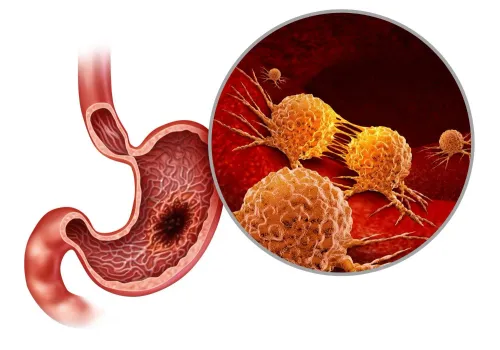

Cancer treatment decisions rarely depend on one scan, one biopsy result, or one specialist’s opinion. By the end, you will understand how a multidisciplinary team reviews evidence, sequences treatment, includes your priorities, and helps you judge whether an oncology hospital is coordinating care rather than simply housing several departments.
Key takeaways
- Ask how specialists share your diagnosis, scans, and treatment priorities.
- Request the proposed treatment sequence, including timing and decision points.
- Confirm who coordinates surgery, oncology treatment, follow-up, and recovery support.
- Judge teamwork by clear communication, named responsibilities, and documented next steps.
What a multidisciplinary cancer team actually brings together
A multidisciplinary cancer team brings the key clinical decisions into one shared plan. It is not simply a hospital directory of specialists. Each member reviews the same diagnosis, test results, treatment options and patient priorities before the team recommends who should do what, and when.
The team may include:
- A medical oncologist, who plans chemotherapy, immunotherapy, targeted treatment or other systemic therapy
- A surgical oncologist, who assesses whether an operation can remove the cancer safely and completely
- A radiation oncologist, who determines whether radiotherapy belongs before or after surgery, or serves another purpose
- A radiologist, who interprets scans and assesses the tumour’s location and spread
- A pathologist, who confirms the cancer type, grade, margins and relevant biomarkers
- An oncology nurse, who coordinates care, education, symptoms and communication
- A gastroenterologist, genetic counsellor, dietitian, physiotherapist or palliative-care clinician when the cancer or treatment requires that expertise
Seeing several departments in one hospital can still leave you carrying information between appointments. One specialist may recommend surgery without knowing another has identified a treatment-sensitive biomarker, or two departments may repeat tests and offer conflicting timelines.
Coordinated care links those recommendations. A tumour-board discussion can expose disagreement, compare surgery with systemic treatment or radiotherapy, assign responsibility and produce one sequence that reflects your health, cancer biology and goals. You receive alternatives and trade-offs, not isolated opinions.
How the tumour board turns test results into a treatment sequence
The tumour board decides what happens first by matching the cancer’s biology and extent with your fitness, organ function, and treatment goals. Its multidisciplinary team meeting turns separate reports into one proposed sequence, not a collection of isolated specialist opinions.
1. Confirm the diagnosis through pathology review. The team checks the cancer type, grade, margin status, lymphovascular invasion, and whether the biopsy is adequate for further testing.
2. Map the disease with imaging, examination, and endoscopy when relevant. TNM staging records the primary tumour, regional lymph nodes, and distant metastases; tumour size alone cannot determine the stage.
3. Add biomarkers that could change treatment. Depending on the cancer, mismatch-repair or microsatellite-instability status, KRAS, NRAS, BRAF, HER2, or NTRK results can affect eligibility for targeted drugs or immunotherapy.
4. Test whether you can tolerate each option. Kidney, liver, heart, and lung function, nutrition, other illnesses, current medicines, and physical fitness can shift the balance between a major operation, systemic treatment, and radiotherapy.
5. Set the sequence around the disease and your priorities. Surgery may come first for a removable tumour, while chemotherapy or immunotherapy may precede surgery when shrinking the disease could improve resectability. Combined treatment may be chosen when local control requires surgery plus radiotherapy or systemic therapy.
The final recommendation remains a discussion with you. Ask which alternatives were rejected, what uncertainty remains, and how each option affects cure prospects, side effects, recovery time, and your stated goals.
What you experience before, during, and after the team decision
Bring every report to your first oncology consultation, including biopsy slides, pathology reports, imaging discs, scan reports, blood-test results, medication lists and details of previous treatment. Add a written record of symptoms, family cancer history, allergies, daily limitations and your priorities, such as preserving fertility, avoiding a colostomy or returning to work.
1. Expect the team to verify the diagnosis, stage, biomarkers, organ function, nutrition, anaemia and fitness before recommending a sequence. Ask which findings are confirmed, which remain uncertain, and whether another pathology or radiology review is needed.
2. At the treatment-planning visit, ask what happens first and why: surgery, chemotherapy, immunotherapy, radiotherapy, combined treatment or active monitoring. Ask about the goal, expected benefit, main risks, alternatives and what would change the recommendation.
3. Ask who coordinates appointments, test results, medicines and urgent problems. Get the plan in writing, including treatment dates, preparation, warning symptoms, contact numbers and the clinician responsible for each decision.
4. Watch for contradictions between specialists, unexplained delays, missing results and instructions that do not match. A credible team will explain disagreement, uncertainty and trade-offs rather than present one procedure or technology as automatically best.
After the meeting, check that your personal goals and health constraints appear in the plan. Ask when the team will review surgical pathology, treatment response, nutrition, rehabilitation and follow-up, and request a second opinion when the recommendation remains unclear or the proposed treatment carries major consequences.
How coordinated care connects complex cancer treatment and recovery
Coordinated planning connects cancer treatment with recovery by deciding what happens before, during, and after tumour treatment, then assigning responsibility for each handoff. A change in one phase—such as delaying surgery because of toxicity—must reach the nutrition, rehabilitation, nursing, and symptom-control teams.
The plan may connect these decisions:
- Neoadjuvant treatment can place systemic therapy before surgery for selected gastrointestinal cancer, shrinking the tumour or testing its behaviour before an operation. It can also cause toxicity or delay surgery, so the team weighs those costs against the chance of a complete resection.
- Surgery and radiotherapy are sequenced around tumour location, margins, stage, and organ function. Breast cancer and thoracic cancer plans can require different combinations and timing.
- Before a major operation, the team checks nutrition, anaemia, frailty, and muscle loss. Dietitian-led support, iron or other anaemia treatment, and supervised exercise can improve readiness rather than serving as optional wellness services.
- During treatment, symptom control and palliative care address pain, nausea, breathlessness, fatigue, or emotional strain. Palliative care can begin alongside active anticancer treatment.
- After treatment, follow-up reviews pathology, further-treatment decisions, recurrence concerns, bowel or nutritional changes, physical function, psychosocial needs, and genetic risk.
When assessing Sai Vedant Multi-Speciality Hospital, ask whether these handoffs appear in one written plan, with named clinicians, dates, warning signs, and a contact route for problems between appointments. That evidence matters more than hearing that several departments exist.
Related services
Chemotherapy Treatment at Sai Vedant Multispeciality Hospital, Pune Sai Vedant Multispeciality Hospital provides comprehensive chemotherapy treatment for patients diagnosed... View service → |
Cancer Surgeries Cancer Surgery at Sai Vedant Multispeciality Hospital, Pune Sai Vedant Multispeciality Hospital provides advanced cancer surgery services for the... View service → |
How to judge whether an oncology hospital’s teamwork is useful
Judge the teamwork by what you can verify, not by the number of specialists on the hospital’s website. Useful cancer care coordination produces one written plan, names who owns each next step, and explains how results, delays or complications will be communicated.
Ask:
- Who reviewed my pathology, scans, biomarkers and medical history, and when will the team meet again?
- Which doctor coordinates my care, and whom do I contact if treatment, symptoms or appointments change?
- What alternatives did the team reject, and what evidence supports the recommended sequence?
- How often does this team perform my specific operation, and what are its complication, readmission, mortality and rescue rates?
- What will treatment require from me in travel, appointment time, recovery, nutrition, physiotherapy and unpaid support?
- Is a clinical trials search appropriate for my cancer, and can palliative care address pain, nausea, fatigue or goals alongside active treatment?
- Which missing information would change the plan, and would you welcome an independent second opinion?
| Useful answer | Warning sign |
|---|---|
| One named coordinator and dated next steps | You must repeat your history to every department |
| Operation-specific outcomes and honest limits | The hospital cites only overall reputation |
| Alternatives, uncertainty and trade-offs explained | One technique is presented as universally best |
| Costs, delays and support needs stated clearly | No estimate of appointments, recovery or travel |
| Plan adapted to your fitness, organ function and priorities | The same pathway is offered to every patient |
A strong team can say “we do not know yet” and tell you what will resolve that uncertainty. That honesty helps you decide whether the hospital fits your situation.
Frequently asked questions
What does a multidisciplinary cancer team bring together?
It brings specialists such as surgeons, medical oncologists, radiation oncologists, radiologists, pathologists, nurses, and recovery professionals into one shared care plan.
How does a tumour board influence cancer treatment?
The tumour board reviews the diagnosis, scans, pathology, cancer stage, treatment options, and patient priorities before recommending a treatment sequence.
What should you experience after a cancer team decision?
You should receive a clear explanation of the recommended plan, the role of each specialist, treatment timing, likely next steps, and recovery support.
How can you judge whether an oncology hospital’s teamwork is useful?
Look for coordinated records, named clinical responsibilities, a documented treatment sequence, consistent communication, and a clear contact for questions.
Related services
Breast Surgeries Breast Surgery at Sai Vedant Multispeciality Hospital, Pune Sai Vedant Multispeciality Hospital offers comprehensive breast surgery services for both... View service → |
Robotic Surgeries Robotic Surgery at Sai Vedant Multispeciality Hospital, Pune Sai Vedant Multispeciality Hospital offers advanced robotic surgery solutions designed... View service → |
Thoracic Surgeries Thoracic Surgery at Sai Vedant Multispeciality Hospital, Pune Sai Vedant Multispeciality Hospital provides advanced thoracic surgery services for the... View service → |
Complex GI & General Surgeries Complex GI & General Surgeries Complex GI & General Surgery at Sai Vedant Multispeciality Hospital, Pune Sai Vedant Multispeciality Hospital provides advanced gastrointestinal (GI)... View service → |