
Complex surgery is safer when imaging, pathology, anesthesia, the operating team and recovery services work from one plan rather than a series of disconnected appointments. By the end, you will know what that pathway includes, which questions expose gaps in care, and what recovery milestones and warning signs require action.
Key takeaways
- Ask how your referral becomes a documented treatment plan.
- Compare open, minimally invasive and robotic approaches with your surgeon.
- Request clear instructions for medicines, fasting, tests and warning signs.
- Leave with written discharge instructions and a scheduled follow-up appointment.
How the hospital turns a referral into a complete treatment plan
A hospital turns a referral into a complete treatment plan by connecting symptoms, test results, disease stage and the patient’s goals before treatment is confirmed. The surgical referral pathway should include:
1. A clinical review identifies the working diagnosis, urgent risks and further tests required.
2. Imaging and biopsy review brings together CT, MRI, ultrasound or endoscopy findings. Radiologists interpret the images, while pathologists classify tissue when a biopsy is needed.
3. The surgical team compares those findings with symptoms, medical conditions and treatment goals, then discusses operative and nonoperative alternatives.
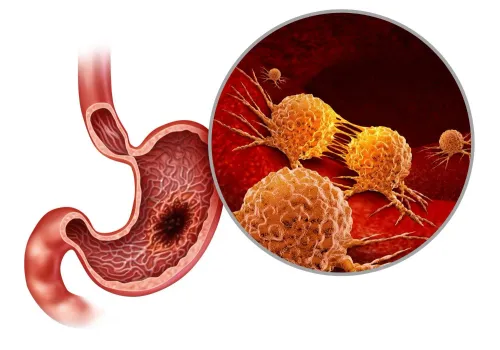
4. For cancer, a multidisciplinary team can conduct a tumor board review involving surgery, radiology, pathology, medical oncology, radiation oncology, gastroenterology, genetics and specialist nursing before definitive treatment when feasible.
Ask whether your scans and pathology were reviewed together, whether a second pathology opinion would change treatment, which alternatives remain, and who coordinates the decision.
For gastrointestinal cancer, oncologic adequacy is not measured by incision size. The plan should address an appropriate margin, regional lymph-node assessment when indicated, avoidance of tumor rupture or spillage, and timely pathology reporting.
Referrals, reports, consent forms, scheduling details and questions should follow you through the hospital’s records and handoffs. You should not have to reconstruct your case for every department; ask for one named coordinator and a written treatment plan.
How specialists choose the safest treatment and surgical approach
The safest approach depends on the disease, anatomy, intended oncologic result and your heart, lung, kidney and functional reserve—not on incision size alone. The team also weighs operating time, recovery demands, surgeon experience and equipment availability, cost, and whether nonoperative treatment can control the problem without surgical risk.
| Option | Main advantage | Key limitation |
|---|---|---|
| Nonoperative treatment | Avoids operative injury and anaesthesia | May fail when disease progresses, obstructs or threatens organ function |
| Open surgery | Direct access for extensive disease or difficult anatomy | Larger incision, more pain, wound complications and longer recovery |
| Laparoscopic surgery | Smaller incisions with less abdominal-wall trauma | Restricted instrument movement and possible conversion to open surgery |
| Robotic surgery | Wristed instruments, tremor filtration and magnified three-dimensional vision | Higher equipment cost, setup time and limited tactile feedback |
The open surgery versus laparoscopic surgery choice is procedure-specific. Minimally invasive surgery can reduce pain, wound complications and length of stay, but a major operation remains major: bleeding, pneumonia, venous thromboembolism, organ injury and anastomotic leak remain possible.
A robotic surgery decision should identify a technical benefit, such as safer access to difficult anatomy, rather than simply add cost. The surgeon controls the instruments, makes every decision and performs the operation; the robot has no independent judgment, and tactile feedback is limited.
Ask about surgeon experience and equipment for your specific procedure, the chance of conversion to open surgery, the plan if equipment is unavailable, and whether laparoscopy or robotics improves the intended result.
What preoperative assessment reveals before the operation
An operation should be delayed when assessment finds a correctable danger, such as dehydration, severe anemia, uncontrolled glucose or a nutritional deficit. The preoperative assessment determines whether surgery can proceed safely, what must change first and whether recovery requires a ward, high-dependency unit or intensive care.
1. Medication reconciliation identifies every anticoagulant, antiplatelet drug, insulin dose, steroid, supplement and over-the-counter product. The team gives procedure-specific instructions; stopping a blood thinner or steroid without medical direction can cause harm.
2. Blood tests can check hemoglobin, clotting, electrolytes, kidney function, liver function and blood glucose. An ECG and chest assessment are added when symptoms, medical history or the planned operation raises cardiac or respiratory concerns.
3. During the anesthesia review, the anesthetist examines the airway and asks about previous anesthesia problems, allergies and sleep-apnea symptoms. The plan covers pain control, nausea prevention and postoperative monitoring, including whether lung or heart function changes the safest surgical setting.
4. Nutritional screening looks beyond body-mass index. Recent weight loss, reduced food intake, muscle loss and disease-related inflammation can expose malnutrition, which raises infection risk, delays healing and prolongs admission.
5. The team assesses diabetes control, smoking, mobility, cognition, functional dependence and frailty. Frailty reflects reduced physiologic reserve, not age alone, and can predict delirium, complications and a slower return to independence. The findings guide correction, rehabilitation, specialist input and informed consent before the operation.
How the hospital prepares for complications and supports recovery
Before incision, the team makes a contingency plan for bleeding, difficult anatomy, organ injury, anesthesia complications, respiratory failure and possible intensive-care admission. This surgical complication prevention plan assigns escalation responsibilities before an emergency occurs.
1. Infection prevention starts with the correct antibiotic at a dose and time that provide effective tissue levels at incision. Skin preparation, sterile technique, blood-glucose control, oxygenation and temperature maintenance also matter. A drain alone does not justify continuing antibiotics for days.
2. After bowel surgery, anastomotic leak monitoring includes pain, fever, heart rate, abdominal findings, drain output, blood tests and changes in bowel function. A leak can require antibiotics, image-guided drainage, endoscopic treatment or reoperation; minimally invasive surgery does not remove this risk.
3. The ERAS pathway is a procedure-specific bundle, not one technique. It may combine counselling, nutrition assessment, limited fasting, opioid-sparing pain control, removal of tubes and drains when appropriate, early oral feeding and early mobilisation. Staff adjust analgesia so movement and deep breathing are practical rather than asking you to ignore pain.
4. Inpatient checks track pain scores, breathing exercises, wound appearance, urine output, bowel function and nutrition progression. The team also assesses clot risk and uses intermittent pneumatic compression or medication when safe; cancer surgery can require an extended prevention plan.
A structured handoff connects surgeons, anesthetists, nurses, physiotherapists, dietitians and intensivists. Worsening pain, breathlessness, confusion, persistent vomiting, fever or heavy bleeding triggers prompt assessment rather than routine observation.
What safe discharge and follow-up should look like
Discharge is safe only when the team has checked more than the incision. Surgical discharge criteria are individual, but they include stable observations, pain controlled by planned medicines, safe mobility, adequate fluid intake, urine output, expected bowel progress and the ability to explain the care plan.
Before leaving, obtain:
- Medication doses, timing, duration and instructions for restarting regular medicines
- Wound-care steps, bathing limits, dressing changes and activity restrictions
- Diet and fluid advice, including what to do if appetite is poor
- The follow-up after surgery date, pathology arrangements and the name of the reviewing clinician
- A named contact and escalation route for problems outside clinic hours
Treat these as postoperative warning signs requiring urgent contact with the surgical team:
- Fever, worsening abdominal or chest pain, breathlessness or confusion
- Persistent vomiting or inability to keep fluids down
- Heavy bleeding, wound separation, increasing redness or discharge
- Calf swelling, inability to pass urine or failure to pass stool when bowel function is expected to return
| Check | Ready for home | Needs review |
|---|---|---|
| Pain | Controlled with prescribed medicines | Uncontrolled or escalating |
| Mobility | Safe transfer and walking plan | Dizziness, weakness or unsafe movement |
| Intake and output | Drinking and passing urine | Dehydration, repeated vomiting or low urine output |
| Handoff | Written plan and named contact | Unclear medicines, pathology or follow-up |
Thresholds vary by procedure. Hospital coordination questions for Sai Vedant Multi-Speciality Hospital should test who reviews results, who handles escalation and how specialist follow-up continues.
Related services
Complex GI & General Surgeries Complex GI & General Surgeries Complex GI & General Surgery at Sai Vedant Multispeciality Hospital, Pune Sai Vedant Multispeciality Hospital provides advanced gastrointestinal (GI)... View service → |
Robotic Surgeries Robotic Surgery at Sai Vedant Multispeciality Hospital, Pune Sai Vedant Multispeciality Hospital offers advanced robotic surgery solutions designed... View service → |
Frequently asked questions
How does a hospital turn a surgical referral into a treatment plan?
The team connects your symptoms, test results, disease stage and treatment goals, then documents the proposed diagnosis, procedure, risks and recovery plan.
How do specialists choose the safest surgical approach?
They compare the expected benefits and risks of open, minimally invasive and robotic techniques against your condition, anatomy, previous operations and overall health.
What does a preoperative assessment check?
It reviews your medical history, medicines, allergies, heart and lung function, blood tests, imaging, anaesthesia risks and readiness for the planned procedure.
How does a hospital prepare for complications and recovery?
The care team plans monitoring, pain control, infection prevention, blood-loss response, mobility, nutrition and escalation steps before surgery begins.
What should safe discharge and follow-up include?
You should receive written medicine, wound-care, activity and diet instructions, emergency warning signs, contact details and a confirmed follow-up date.
Related services
Cancer Surgeries Cancer Surgery at Sai Vedant Multispeciality Hospital, Pune Sai Vedant Multispeciality Hospital provides advanced cancer surgery services for the... View service → |
General Surgeries General Surgery at Sai Vedant Multispeciality Hospital, Pune At Sai Vedant Multispeciality Hospital, Pune, our General Surgery department provides... View service → |
Breast Surgeries Breast Surgery at Sai Vedant Multispeciality Hospital, Pune Sai Vedant Multispeciality Hospital offers comprehensive breast surgery services for both... View service → |
Thoracic Surgeries Thoracic Surgery at Sai Vedant Multispeciality Hospital, Pune Sai Vedant Multispeciality Hospital provides advanced thoracic surgery services for the... View service → |