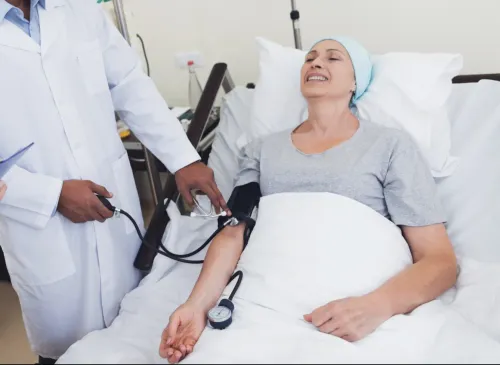

Being advised to undergo Breast Cancer Surgery can bring several questions at once. Patients may want to know how much breast tissue needs to be removed, whether lymph nodes will be assessed, what recovery could involve, and whether chemotherapy or other treatment may follow.
The answers depend on the individual diagnosis. Breast cancer surgery is planned according to tumour characteristics, disease extent, breast anatomy, overall health, and the wider treatment strategy.
Different Surgical Approaches Have Different Goals
Breast surgery may involve removing the tumour with a margin of surrounding tissue in selected patients. In other circumstances, removal of the breast may be considered.
Lymph node assessment may also be recommended because information about lymph node involvement can contribute to staging and decisions about subsequent treatment.
The appropriate operation cannot be determined by tumour size alone. Imaging findings, tumour location, pathology, biological features, previous treatment, and patient-specific considerations all matter.
Treatment May Begin Before the Operation
Not every breast cancer pathway begins with surgery.
Some patients may receive systemic treatment before an operation to address the disease and potentially influence the surgical approach. Others may undergo surgery first.
This is why treatment sequencing should be individualized rather than based on another patient's experience.
Preparing for Breast Surgery
Before surgery, the treating team may review imaging, biopsy findings, blood investigations, medications, anaesthesia fitness, and existing health conditions.
Patients should also understand practical recovery considerations. These may include temporary restrictions on lifting, wound and drain care where applicable, arm movement guidance, follow-up visits, and symptoms requiring prompt medical attention.
Questions worth discussing include:
- What operation is being recommended?
- Why is this approach appropriate?
- Will lymph nodes be evaluated?
- What type of scar can be expected?
- Will a surgical drain be required?
- When can routine activities resume?
- When will the pathology report be available?
- Could additional cancer treatment be required?
Pathology Guides the Next Stage
Surgery removes tissue, but the information obtained afterward can be equally important. The pathology report provides details about the removed tumour and surrounding tissue that may influence further treatment recommendations.
Patients may subsequently require chemotherapy, radiation, hormonal therapy, targeted treatment, continued surveillance, or a combination depending on their diagnosis.
Sai Vedant Multi-Speciality Hospital in Pune provides surgical and multidisciplinary medical services relevant to patients navigating breast cancer treatment. Having access to coordinated assessment can help connect the operation with postoperative needs and subsequent treatment planning.
Recovery Is Both Physical and Clinical
Recovery should not be judged only by how quickly the incision heals. Patients may experience temporary discomfort, reduced arm mobility, fatigue, altered sensation, or emotional concerns about physical changes.
Following the surgical team's activity and wound-care guidance can support a safer recovery.
For patients in Pune and elsewhere in Maharashtra considering Breast Cancer Surgery, the most useful approach is to understand the complete pathway. The key question is not simply which operation is available, but which procedure appropriately addresses the individual cancer while supporting safe recovery and the next phase of treatment.
Keywords