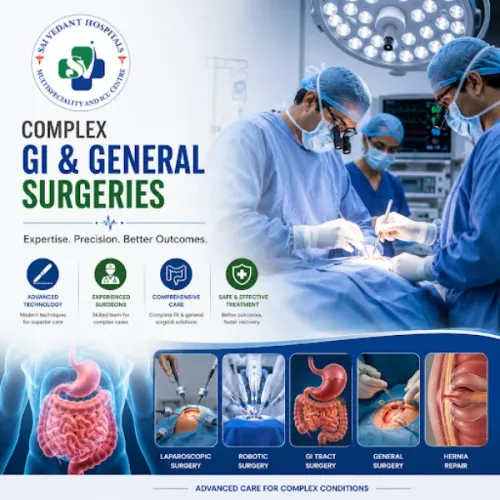

Being referred for surgery often creates uncertainty about what happens between the first consultation and the day of the procedure. A well-organized General Surgery hospital pathway should provide much more than an operating room. Assessment, preparation, anaesthesia planning, postoperative monitoring, pain management, and discharge guidance all contribute to surgical care.
For patients in Pune, understanding this pathway makes it easier to evaluate whether they are adequately prepared.
A Clear Diagnosis Comes First
Surgery should address a defined clinical problem. Depending on the condition, the surgeon may review physical examination findings, blood tests, ultrasound, CT scans, endoscopy, biopsy results, or other investigations.
Patients should understand what has been diagnosed and why surgery is being considered.
If non-surgical management is appropriate, that may also form part of the discussion. The presence of a surgical service does not mean every condition requires an operation.
Preoperative Assessment Should Be Individualized
Before an operation, the team needs to understand factors that could affect anaesthesia, bleeding, infection risk, recovery, and postoperative care.
Important information can include:
- Current medicines
- Drug allergies
- Previous operations
- Diabetes
- Blood pressure
- Heart conditions
- Respiratory conditions
- Previous anaesthesia problems
- Blood-thinning medication
Patients should follow specific instructions regarding fasting and medicines rather than making changes independently.
Surgical Approach Should Match the Condition
General surgery includes a wide range of procedures. Some can be performed using minimally invasive techniques, while others require conventional open surgery.
The best approach depends on anatomy, disease severity, previous surgery, urgency, and the objective of treatment.
When discussing an operation, patients can ask why a particular technique is recommended and whether circumstances during surgery could require a change in approach.
Recovery Planning Matters Before Surgery
A useful surgical consultation should help patients understand what happens after the procedure.
Expected pain, eating and drinking, walking, wound care, hospitalization, return to work, lifting restrictions, and follow-up requirements can differ considerably between procedures.
Sai Vedant Multi-Speciality Hospital in Pune provides general and advanced surgical services within a multispeciality hospital environment. Such a setting can be relevant when a patient also requires physician input, diagnostic services, anaesthesia support, or closer postoperative monitoring.
Warning Signs Should Be Explained Clearly
Before discharge, patients should know which symptoms require prompt medical review. Depending on the procedure, these may include increasing pain, persistent vomiting, fever, wound discharge, unusual bleeding, breathing difficulty, or other significant changes.
Patients should also understand when their follow-up visit is due and how wound care should be managed at home.
A Better Way to Evaluate Surgical Care
When choosing a General Surgery hospital in Pune, patients can look beyond the procedure name. Clear diagnosis, appropriate investigations, individualized surgical planning, anaesthesia assessment, postoperative monitoring, and structured follow-up are all meaningful indicators.
Surgery is an entire care process rather than a single event. Understanding each stage helps patients and families prepare more effectively and ask informed questions before treatment begins.
Keywords