Cancers affecting the stomach, colon, rectum, liver, pancreas, oesophagus, and other parts of the gastrointestinal tract can require complex treatment planning. When Gastro Cancer Surgery is recommended, patients need to understand not only the operation itself but also how it fits into the complete oncology plan.
Gastrointestinal cancers vary widely in their behaviour and treatment. Surgery that is appropriate for colon cancer may be very different from surgery required for pancreatic, stomach, liver, or oesophageal cancer.
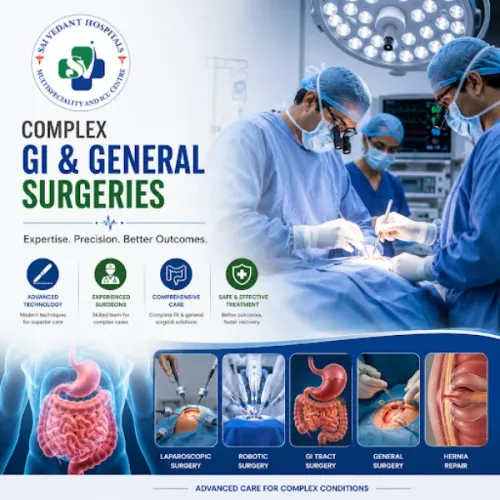
Sai Vedant Multi-Speciality Hospital provides gastrointestinal and cancer surgery services in Pune, including minimally invasive and robotic approaches for selected conditions.
What Determines Whether Surgery Is Suitable
The decision is generally based on:
- Location of the tumour
- Cancer stage
- Whether nearby structures are involved
- Presence of distant spread
- Patient's nutritional status
- Heart and lung fitness
- Previous treatment
- Expected ability to remove the tumour safely
Detailed imaging and pathology are therefore essential before planning an operation.
Surgery Alone May Not Be the Entire Treatment
Some early gastrointestinal cancers may be treated primarily through surgery, while others require chemotherapy or radiation treatment before or after the operation.
For example, preoperative treatment may be recommended in selected rectal, stomach, oesophageal, or other GI cancers. The exact sequence depends on the diagnosis.
This is why multidisciplinary cancer planning is particularly valuable.
Open, Laparoscopic and Robotic Techniques
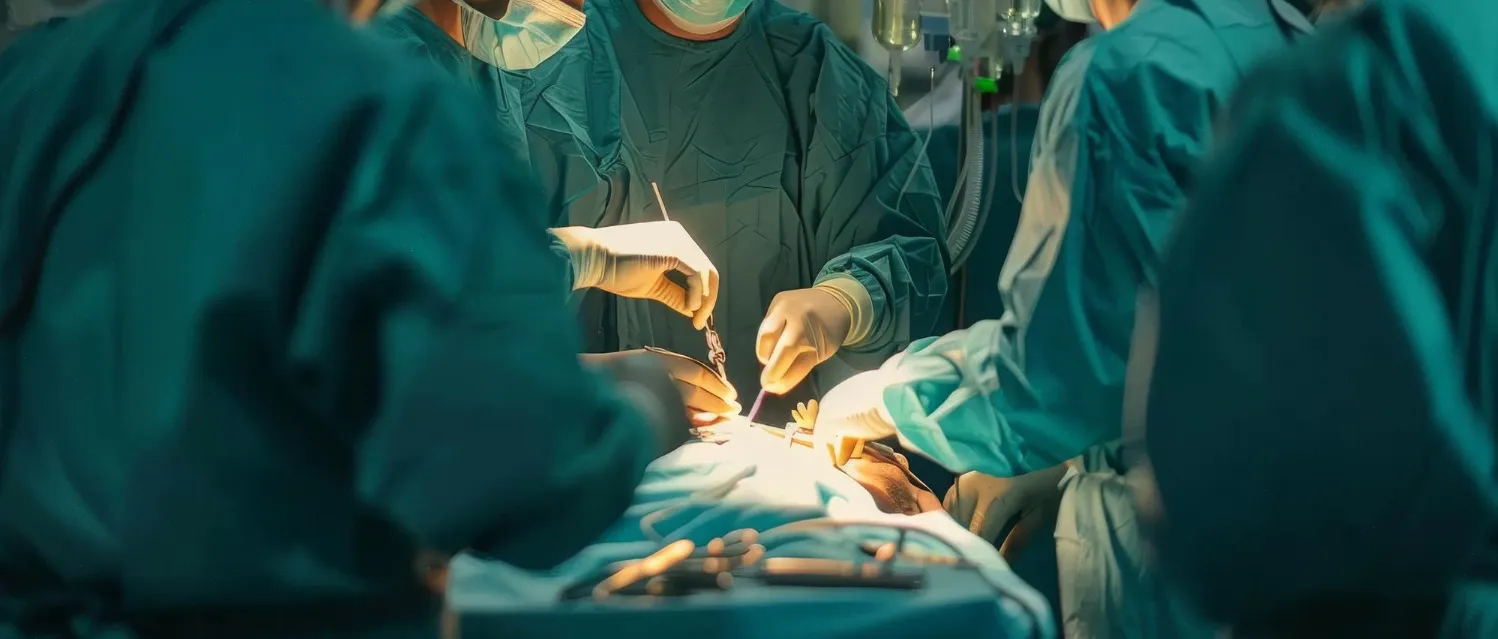
Different surgical approaches can be considered according to tumour location, complexity, surgeon assessment, and available technology.
Open surgery provides direct access through a larger incision.
Laparoscopic surgery uses a camera and specialised instruments through smaller incisions.
Robotic-assisted surgery is another minimally invasive technique that can provide enhanced visualisation and instrument control in selected operations.
The most technologically advanced option is not automatically the right option. The primary objective remains safe and appropriate cancer surgery.
Questions to Discuss With the Surgical Team
Before gastro cancer surgery, patients and families may want to ask:
- What stage is the cancer?
- Is surgery intended to remove all visible disease?
- Which organs or tissues may need removal?
- Will lymph nodes be removed?
- Is minimally invasive surgery suitable?
- Will chemotherapy be needed?
- What nutritional support could be required?
- What is the expected recovery pathway?
These discussions provide a clearer picture of treatment than focusing only on hospitalisation time.
Recovery Requires Broader Support
GI cancer surgery can affect appetite, digestion, bowel function, weight, and energy levels. Nutritional assessment and gradual dietary progression may therefore be important.
Patients may also need physiotherapy, wound care, pain management, and oncology follow-up.
People in Pune evaluating surgical treatment for gastrointestinal cancer can consult the multidisciplinary team at Sai Vedant Multi-Speciality Hospital. Treatment planning should be based on confirmed pathology, staging, overall fitness, and the specific characteristics of the tumour.
Keywords