
Critical Care Hospital supports patients who need close monitoring during serious medical conditions. Medical emergencies often develop unexpectedly, making timely assessment and coordinated treatment essential for patient care. At Sai Vedant Multi-Speciality Hospital in Pune, the critical care team focuses on continuous monitoring, prompt medical intervention, and multidisciplinary support for patients with complex health conditions.
Why critical care services are important
Serious illnesses and medical emergencies require specialised care that goes beyond routine hospital treatment. Patients recovering from major surgery, severe infections, trauma, respiratory illnesses, heart-related emergencies, or other life-threatening conditions often need continuous observation and advanced medical support.
Residents of Pune benefit from having access to critical care services where doctors, nurses, and specialists work together to monitor patients around the clock. Early recognition of changes in a patient's condition allows the medical team to respond promptly when additional treatment becomes necessary.
When is admission to critical care recommended?
Many families ask, 'How do doctors decide if someone needs intensive care?'
Admission to a critical care unit depends on the patient's medical condition rather than age alone. Patients may require intensive monitoring after major surgery, severe infections, respiratory failure, organ dysfunction, uncontrolled bleeding, or other serious illnesses where frequent observation and specialised treatment are necessary.
Doctors carefully assess vital signs, laboratory investigations, imaging findings, and the patient's overall stability before deciding whether intensive care is appropriate. The objective is to provide close monitoring and timely medical intervention whenever required.
A common misunderstanding about critical care
One common misconception is that every patient admitted to an intensive care unit is in the same condition. In reality, the severity of illness varies considerably. Some patients require temporary monitoring after complex surgery, while others may need advanced organ support because of severe medical emergencies.
Another misunderstanding is that families cannot understand what is happening during treatment. Healthcare professionals regularly communicate with patients and their families, explaining the patient's condition, ongoing treatment, expected progress, and any changes in the care plan. Open communication helps reduce uncertainty during challenging situations.
How Sai Vedant Multi-Speciality Hospital provides critical care
Sai Vedant Multi-Speciality Hospital follows a multidisciplinary approach to critical care. Each patient receives continuous monitoring while specialists from relevant departments collaborate to manage the underlying medical condition. Treatment plans are reviewed regularly and adjusted according to the patient's response.
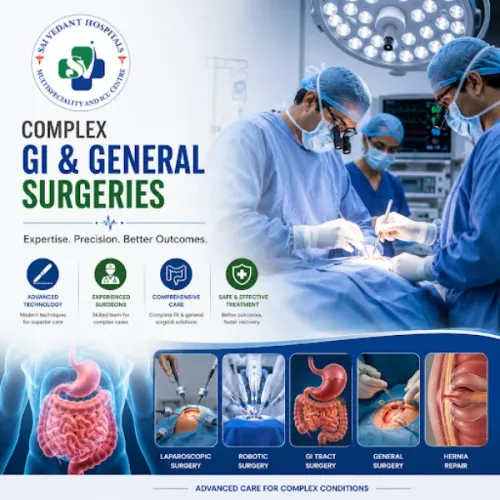
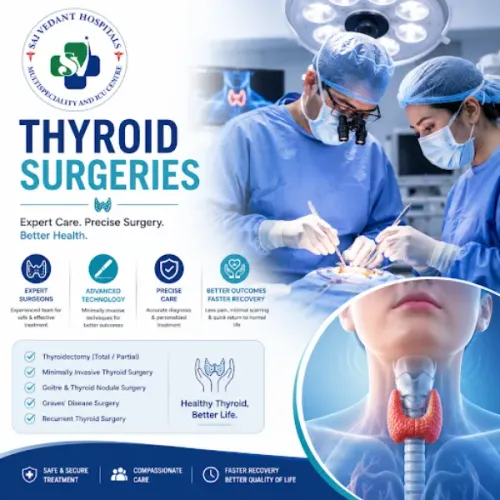
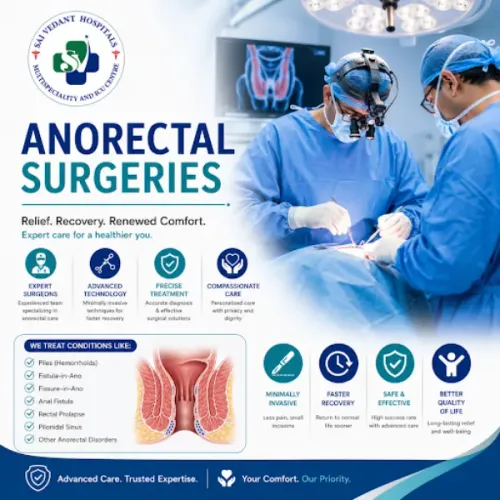
The hospital provides Critical Care, General Surgery, Cancer Care, Gastro Surgery, Robotic Surgery, and other advanced medical services that work together whenever patients require comprehensive treatment. Care is coordinated between intensivists, surgeons, physicians, anaesthetists, nursing professionals, and diagnostic teams to support informed clinical decision-making.
For example, a patient recovering from complex abdominal surgery may initially remain under intensive observation to monitor vital signs, pain control, fluid balance, and overall recovery. As the patient's condition stabilises, the medical team gradually plans transfer to a regular hospital room while continuing appropriate follow-up care.
What to expect during critical care and recovery
Every patient's recovery journey is different and depends on the severity of the illness, the treatment provided, and the individual's overall health. During intensive care, doctors continuously evaluate the patient's progress and discuss important updates with family members.
Once the patient's condition improves, treatment focuses on gradual recovery, rehabilitation when required, nutritional support, medication management, and follow-up planning. Patients may continue receiving care from different specialists until they are medically stable for discharge.
Recovery often continues after leaving the hospital, making scheduled follow-up appointments an important part of long-term health management.
Talk to Sai Vedant Multi-Speciality Hospital in Pune
Medical emergencies can be stressful for both patients and families, but timely access to specialised care helps ensure that appropriate treatment begins without unnecessary delay.
Sai Vedant Multi-Speciality Hospital provides comprehensive critical care supported by experienced specialists and coordinated multidisciplinary services for patients with serious medical conditions.
If you would like to learn more about critical care services or discuss treatment for a loved one, consider scheduling a consultation with the healthcare team.
Book an appointment at Sai Vedant Multi-Speciality Hospital, Pune.
Keywords