
Being told that an operation may be necessary is only the beginning of the decision-making process. Patients also need to understand what procedure is proposed, whether minimally invasive treatment is suitable, what preparation is required, and what recovery may involve.
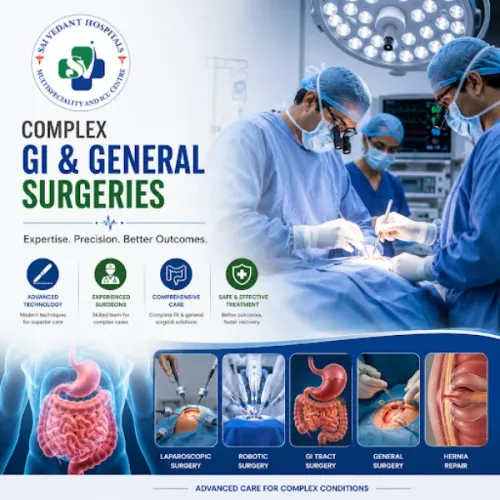
General Surgery covers a broad range of conditions affecting the abdomen, digestive system, endocrine organs, skin, soft tissues, and related structures.
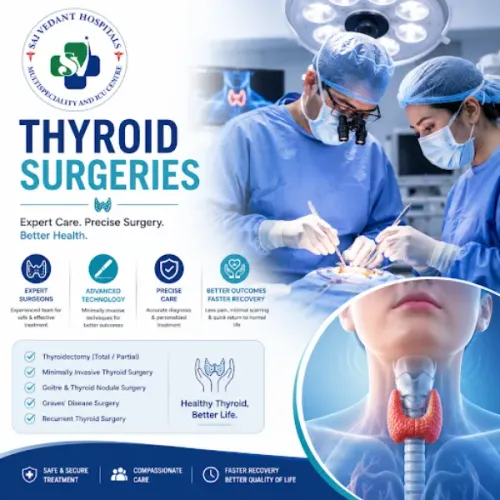
Sai Vedant Multi-Speciality Hospital in Pune provides general surgical care that includes appendix surgery, gallbladder surgery, hernia repair, anorectal procedures, thyroid surgery, breast surgery, and gastrointestinal procedures.
Conventional and Minimally Invasive Techniques
Traditional open surgery uses an incision large enough to provide direct access to the treatment area.
Laparoscopic surgery generally uses several smaller incisions through which a camera and specialised instruments are introduced.
For appropriately selected procedures, minimally invasive techniques can reduce incision size and may support postoperative recovery. However, laparoscopic surgery is not automatically appropriate for every condition.
Previous abdominal operations, infection, disease complexity, anatomical considerations, and the patient's general health can influence the choice.
Questions Worth Asking Before Surgery
Patients can make more informed decisions by asking:
- What is the exact diagnosis?
- Is surgery necessary at this stage?
- What happens if treatment is delayed?
- Can the operation be performed laparoscopically?
- What are the major risks?
- How long is the expected hospital stay?
- What restrictions will apply after discharge?
- When can work and normal activities resume?
The answers should be specific to the planned procedure rather than based on general expectations about surgery.
Preparation Can Affect Recovery
Preoperative assessment may include blood tests, imaging, ECG, anaesthesia review, and optimisation of existing conditions.
People with diabetes, hypertension, heart disease, respiratory problems, or those taking blood-thinning medicines may require additional planning.
Patients should not independently stop prescribed medication before surgery. Medication changes should be made according to instructions from the treating team.
What Happens After an Operation
Recovery varies significantly.
Someone undergoing an uncomplicated minor procedure may return to routine activities relatively quickly, while major abdominal surgery requires a longer recovery period.
Postoperative care can involve:
- Pain control
- Wound monitoring
- Early mobilisation
- Diet progression
- Infection surveillance
- Bowel-function monitoring
- Follow-up appointments
Following discharge instructions is an important part of surgical care.
Selecting Surgical Care in Pune
Rather than choosing a hospital solely on the basis of a procedure name, patients should consider the availability of diagnostic support, anaesthesia, operation theatre facilities, postoperative monitoring, emergency support, and relevant surgical expertise.
For people across Pune and Maharashtra who require general surgical evaluation, Sai Vedant Multi-Speciality Hospital offers assessment across multiple general and gastrointestinal surgical conditions. A specialist consultation can clarify whether surgery is needed and which operative approach is appropriate for the individual diagnosis.
Keywords